
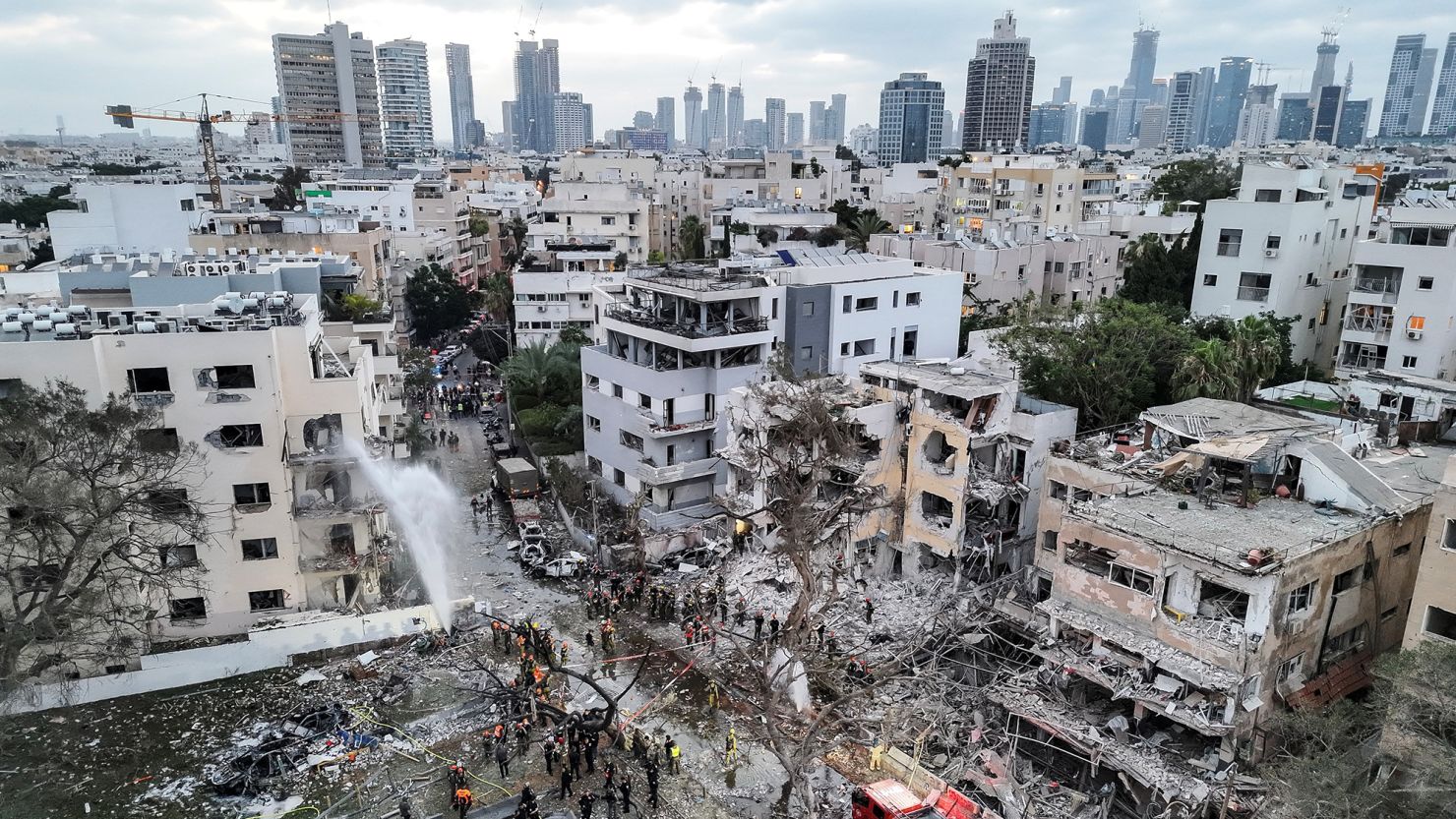

Donald Trump’s war in Iran began with a bang – literally, in the case of an all-out assault in February in tandem with Israeli intelligence, which hit its first target by killing Ayatollah Ali Khamenei. It has, however, puttered out into what looks like an imminent deal for extending the current uneasy truce into a normal 60-day cessation of hostilities.
But it hasn’t pleased US defence hawks, who hoped that the mission would destroy the mullahs’ grip on the regime, along with the country’s efforts at nuclear enrichment and its illicit missile-development programme. Nor does it guarantee a durable solution to the dispute over the economically vital Strait of Hormuz, which has highlighted Tehran’s ability to threaten global shipping routes.
Neither the White House nor Tehran wants to appear in a hurry to sign up, though both have good reason to. Iran has signaled a readiness to extend the ceasefire because lifting the blockade on its ports and allowing sanctions waivers relieves an economic chokepoint on the regime, allowing it to export oil and improve its budget deficit.
The mutual benefit is that it eases pressure on the international energy market (to the relief of governments like the UK’s,
desperate to constrain future price increases). Yet it also means the
US is now bargaining with Tehran to stop the war it started. That is a
long way from the “Epic Fury” promises of curtailing the regional hegemon’s power.
The famous “art of the deal” is, in this case, an “art of the retreat” proposition.
Trump will never say publicly that it has not worked out as the degradation of Iranian offensive power he intended. But as his former national security adviser John Bolton told me a couple of weeks ago, Trump “wholly lacked a strategy” to get out of the war. The result of opening the Strait of Hormuz on the extended truce terms is that “They [Iran] will believe they can turn the strait on and off like a light switch.”
Looking at it from Trump’s perspective, the fact that the war aims and exit strategy were so nebulous has enabled him to make a single-handed pivot, and possibly a deal that Tehran can accept – for now. Hostilities have cost (by Pentagon assessments) $29bn (£22bn), and, with a hefty knock-on cost to consumers in the rise in petrol prices, and only five months until midterm elections in November, the president has been looking for an off-ramp for some weeks.
Around 60 per cent of Americans now oppose continuing the fighting, which shows a weakening of the president’s ability to bring the Maga base behind him in this conflict. That is a weakness he needs to close before the midterm test. Divisions between traditional Republicans and Maga weaken his chances of fending off Democrat hopes that they can retake both the House and, more significantly, the Senate, tying Trump’s hands in many legislative areas.
One other aggrieved party to note is Israel: the proposed “memorandum of understanding” appears to have excluded it – with the right-leaning Times of Israel reporting today that there are “fears that threats Netanyahu has long described as ‘existential’ will not be adequately addressed”. It constrains Israel from carrying out operations against Hezbollah in Lebanon, which is welcome from a humanitarian aspect, but highlights that the aim of disabling the Iranian proxy militia has been sidelined.
So the president has essentially chosen US interests over Israeli ones – possibly because he bristles at the idea that he was talked into the war in great part by Benjamin Netanyahu, but also because “America First”, the neat encapsulation of his worldview, means that the effects of crises at home are always far more important to him than maintaining a consistent foreign and security policy.
On the upside, a truce, once observed for a set amount of time, can be indefinitely extended, and that brings peace at a price of US pride. A less rosy scenario is that Iran has seen that pressuring shipping routes has brought its mighty assailant back to a deal, with the backing of most Gulf states. Most of the problems remain unresolved: a deal here is a long way indeed from a victory.

Anne McElvoy is an executive editor at Politico and host of the podcast ‘Politics at Sam and Anne’s’
The Independent is the world’s most free-thinking news brand, providing global news, commentary and analysis for the independently-minded. We have grown a huge, global readership of independently minded individuals, who value our trusted voice and commitment to positive change. Our mission, making change happen, has never been as important as it is today.


No comments:
Post a Comment